
Prodentim vs. Traditional Oral Care: Which Approach Actually Works Better?
Reviewed product
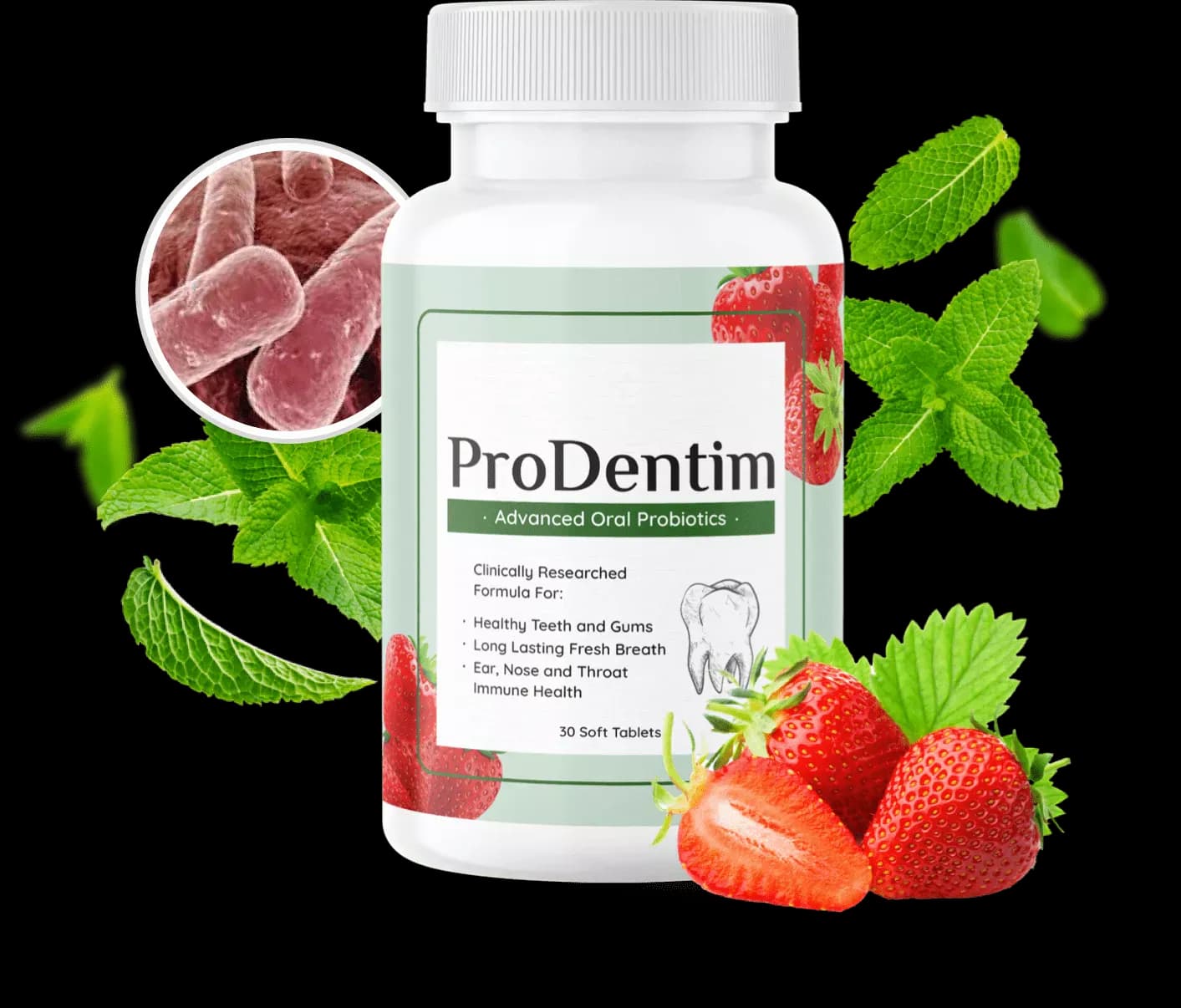
Prodentim
We've Been Brushing and Flossing for Decades — So Why Is Dental Disease Still So Common?
According to the CDC, nearly half of American adults over 30 have some form of periodontal (gum) disease. Cavities are the most common chronic disease in both children and adults. Despite widespread adoption of daily brushing, flossing, and biannual dental visits, the prevalence of oral health problems remains stubbornly high. This raises a genuine question: is the traditional approach to oral care actually sufficient — or are we missing something fundamental?
Prodentim addresses a dimension of oral health that traditional care largely ignores: the oral microbiome. And the comparison between these two approaches reveals some surprising insights.
Traditional Oral Care: What It Does Well (and Where It Falls Short)
The Strengths
Traditional oral hygiene — brushing, flossing, fluoride use, and professional cleanings — is effective at what it's designed to do: mechanically removing dental plaque, disrupting biofilm formation, and reducing the concentration of pathogenic bacteria on tooth and gum surfaces. These practices are evidence-based and genuinely important. Nobody is arguing against brushing your teeth.
The Gaps
But traditional care has real limitations:
- It is primarily reactive and mechanical — it removes bacteria but doesn't create a healthier bacterial ecosystem.
- Most commercial toothpastes and mouthwashes kill bacteria indiscriminately — including beneficial oral bacteria that play protective roles.
- It does nothing to address systemic factors (immune function, inflammation, nutrient status) that influence gum health from the inside.
- It cannot reach the sub-gingival pockets where periodontal pathogens live below the gumline.
- Results are entirely maintenance-dependent — skip a week and plaque returns to baseline.
The Oral Microbiome: The Missing Piece in Traditional Care
Recent advances in microbiome science have revealed that the mouth contains over 700 species of bacteria — and the balance between beneficial and pathogenic species is as important as the overall bacterial load. A healthy oral microbiome populated by beneficial streptococcus and lactobacillus species actively protects teeth and gums through several mechanisms:
- Competitive exclusion of pathogenic bacteria
- Production of antimicrobial compounds (bacteriocins)
- Maintenance of a protective biofilm on tooth surfaces
- Modulation of local immune responses in the gum tissue
When beneficial bacteria are depleted — by antibiotic use, harsh mouthwashes, or poor diet — pathogenic species like Streptococcus mutans (cavity-causing) and Porphyromonas gingivalis (gum disease-causing) fill the void. This is the root cause of many people's persistent oral health problems despite regular brushing.
How Prodentim Addresses What Traditional Care Cannot
Prodentim takes a probiotic approach to oral health — delivering clinically researched beneficial bacteria directly to the oral microbiome. The formula contains over 3.5 billion probiotic CFUs, primarily from strains like Lactobacillus paracasei, Lactobacillus reuteri, and B.lactis BL-04, all of which have specific evidence for oral health benefits.
The best oral probiotic for gum health and enamel protection works by repopulating the oral microbiome with beneficial species that compete with pathogenic bacteria, reduce gingival inflammation, support enamel remineralization, and help maintain the natural balance that commercial antiseptic mouthwashes disrupt.
Clinical Evidence for Oral Probiotics
The research on oral probiotics is growing rapidly. Studies have demonstrated that specific probiotic strains can:
- Reduce plaque scores and gingival bleeding
- Lower levels of S. mutans in saliva
- Reduce periodontal pocket depth
- Decrease salivary inflammatory markers
- Improve breath freshness by reducing sulfur-producing bacteria
The Verdict: Complementary, Not Either/Or
The most intelligent approach is not to choose between Prodentim and traditional oral care — it's to use both. Traditional brushing and flossing reduce the mechanical plaque burden; Prodentim rebalances the microbial ecosystem that determines whether plaque-forming pathogens gain a foothold in the first place. They address different dimensions of oral health and are genuinely synergistic.
If you've been diligent about traditional oral care but still struggle with gum sensitivity, persistent bad breath, or cavity-prone teeth, the oral microbiome is likely the missing variable. Discover how the top probiotic supplement for healthier teeth and gums can fill that gap.
Conclusion
Traditional oral care is necessary but insufficient for many people. Prodentim doesn't replace it — it completes it, by addressing the oral microbiome dimension that a toothbrush and mouthwash can never reach. For comprehensive oral health in the 21st century, both approaches together offer more than either one alone.
Interested in Prodentim?
Visit Official Website →Affiliate link — we may earn a commission at no extra cost to you.